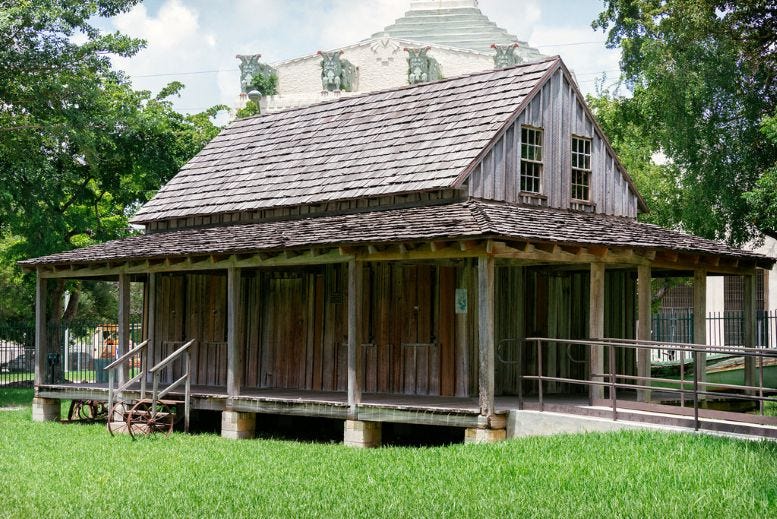

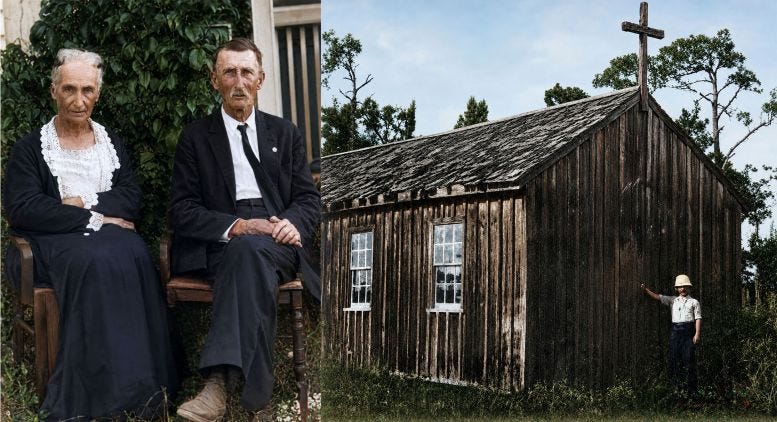
This podcast episode tells the story of the Wagner family, among the earliest permanent settlers along the Miami River during the middle decades of the nineteenth century. William Wagner, a veteran of the Mexican War, arrived at Fort Dallas in 1855 with his business partner, Captain Sinclair. The two men came as sutlers, supplying soldiers after the U.S. Army reoccupied the fort during the Third Seminole War. In addition to operating their business near the mouth of the Miami River, Wagner and Sinclair established a coontie mill along a nearby tributary that would later become known as Wagner Creek.
After the war ended and the soldiers departed in 1858, Wagner was joined in South Florida by his wife and young children. The family remained along the Miami River and continued operating the coontie mill, becoming part of the small but growing community that preceded modern Miami. In 1875, the Wagners constructed a chapel on their homestead that became an important early center of Catholic worship in sparsely populated Dade County. It was there that their daughter Rose Wagner married Adam Richards in a ceremony performed by a visiting Catholic priest on September 5, 1876.
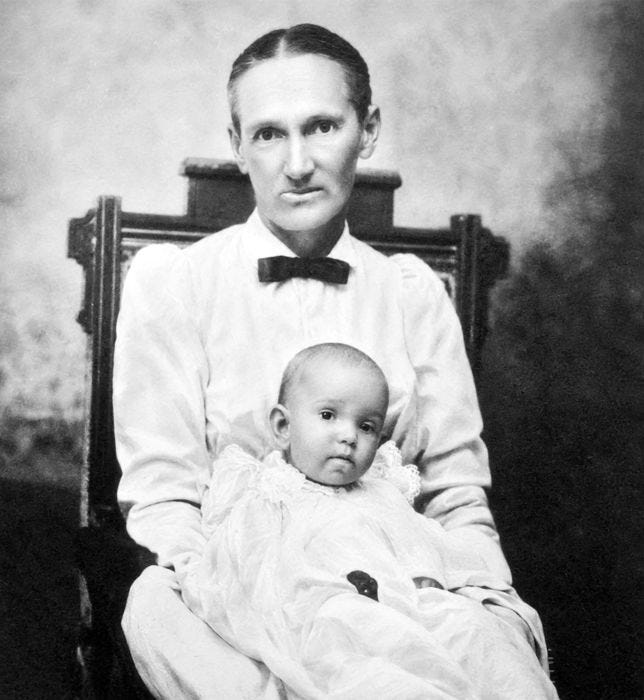
Rose Wagner and her children later became valuable sources of oral history, preserving firsthand accounts of life along the Miami River before the arrival of the railroad and the incorporation of Miami in 1896. Their recollections provide a rare glimpse into the isolated frontier community that existed during the second half of the nineteenth century.
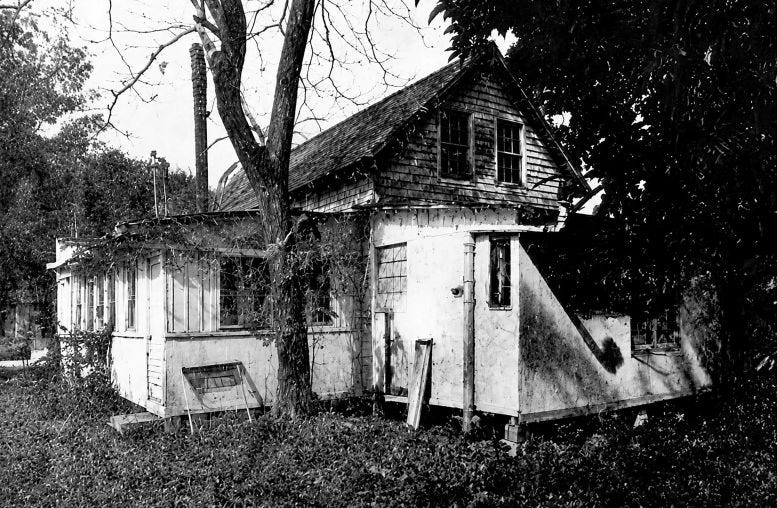
William Wagner spent the final years of his life on his original homestead near what is today the Culmer Metrorail Station. Although he sold the property to Julia Tuttle in 1893, he financed part of the transaction and regained the land following Tuttle’s death in 1898 after the outstanding loan was not repaid. The story of the Wagner family offers a remarkable window into Miami’s transformation from a remote settlement along the river into the city that emerged at the close of the nineteenth century.
Tune into this week’s podcast episode to hear more about the Wagner family. You can download this episode on your favorite podcast platform (iTunes, Stitcher, Soundcloud, Spotify) or listen directly on the Miami-History website. Please remember to click on the subscribe button and to provide a rating and comment on any of the platforms where this podcast episode is available.