


OTD: March 10, 1922 - Tunnels Lead to Liquor Raid
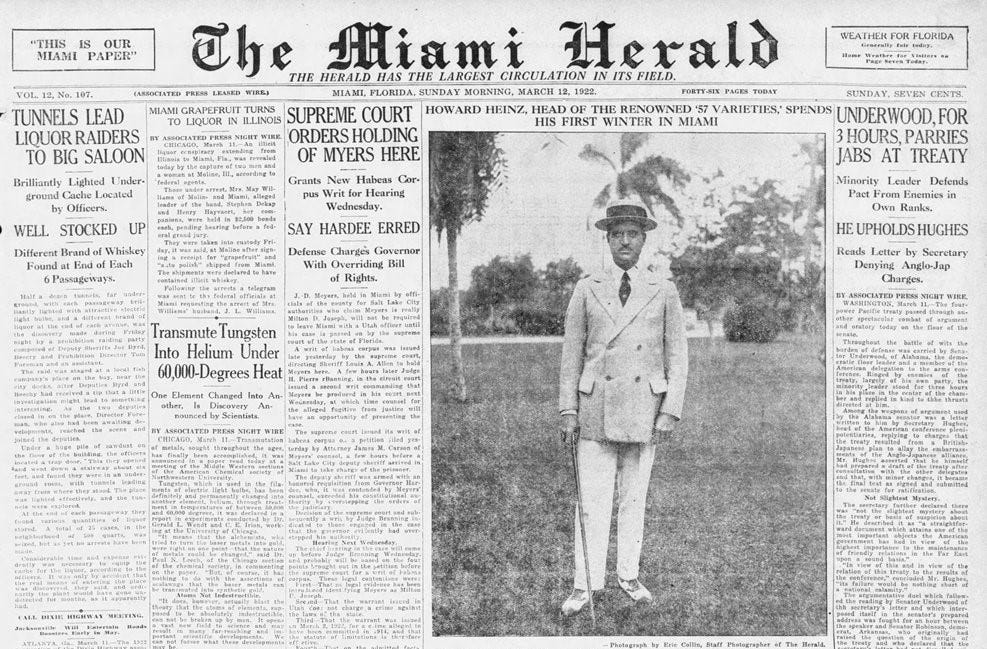
On March 10, 1922, a raid on a fish house near Miami's city docks discovered an intricate set of tunnels used to store and hide illegal booze during prohibition. One of the headlines on the front page of the Miami Herald on March 12, 1922, read “Tunnels Lead Liquor Raiders to Big Saloon”. At the time of this raid, the two-year old campaign to rid the country of the manufacturing, sale, and distribution of liquor was forcing bootleggers to get creative in how they transported and stored their illegal contraband.
While Miami was considered one of the leakiest places in America during prohibition, it still required a level of discretion and planning. Prohibition officers and local law enforcement were present and looking to curtail the traffic of gunny sacks of booze arriving from the Bahamas and elsewhere.
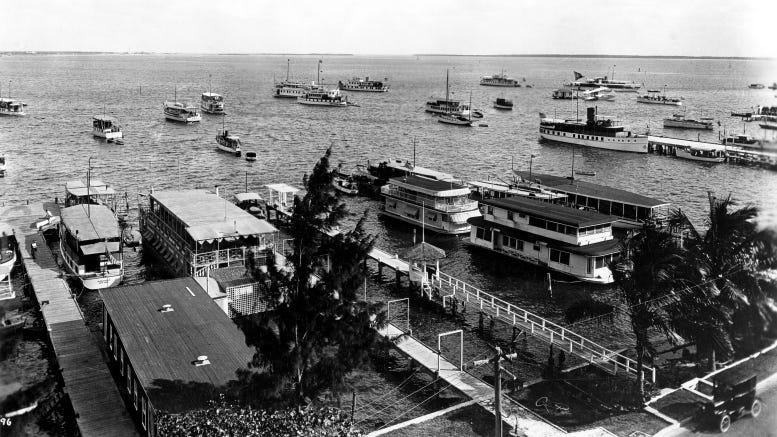
OTD: March 11, 1948 - Elks Club Buys Brickell Point Property
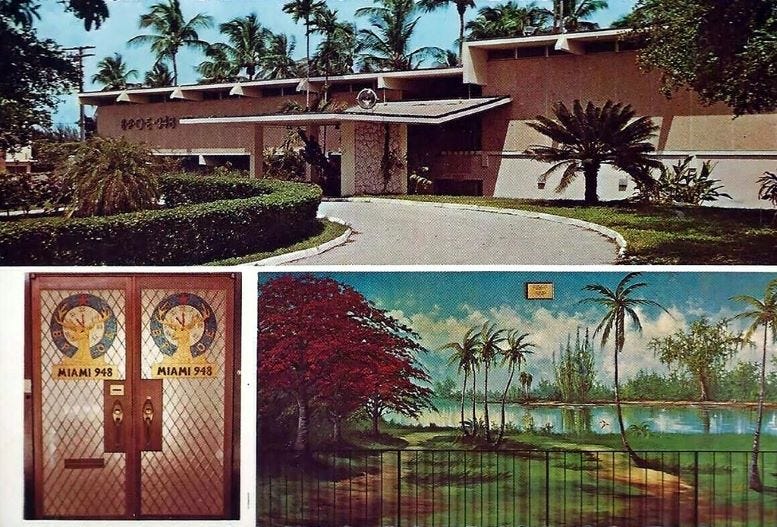
On March 11, 1948, the Elks Club purchased the five-acre estate known as Brickell Point from Maude Brickell for $250,000. The Brickell Point property included a frontage of 280 feet on Brickell Avenue, a depth of 540 feet, and a bay and river frontage of 500 feet.
OTD: March 12, 1896 - Greater Bethel AME Organized
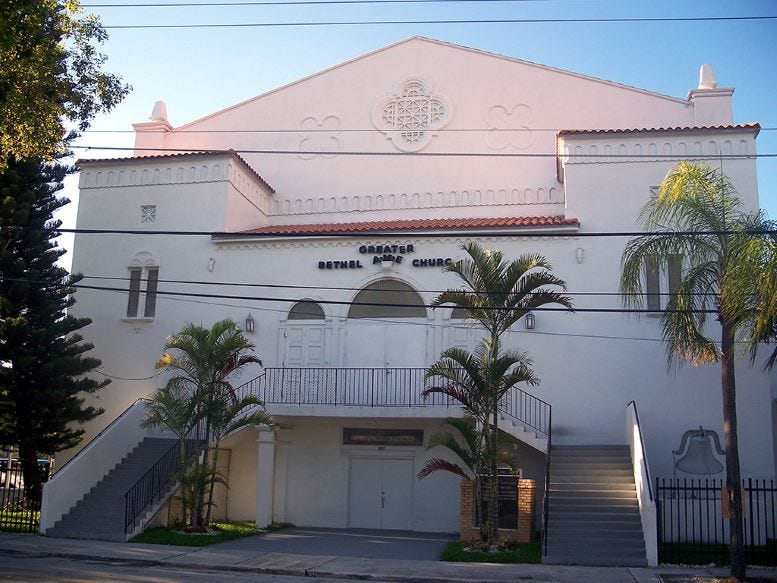
On March 12, 1896, the Miami Greater Bethel AME was organized at the home of Alexander C. Lightbourn, forming one of the earliest congregations in Miami’s history. Lightbourn became known for giving an inspiring speech about what each of the voters were about to embark during the incorporation proceedings of the City of Miami on July 28, 1896. He was one of 162 black pioneers who cast a vote for incorporation at that meeting, allowing Miami to organize as a city and not a town. The state of Florida required at least 300 men cast a vote for incorporation in order for a municipality to organize as a city.
OTD: March 13, 1816 - Andrew Jackson Invaded Spanish Florida
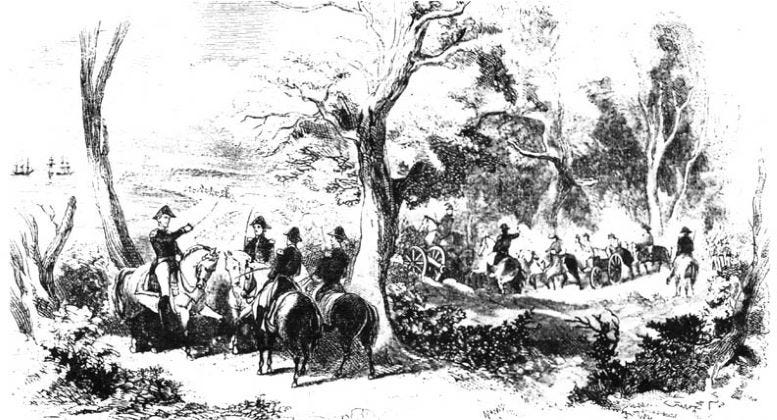
On March 13, 1816, General Andrew Jackson invaded Spanish Florida, an event which many historians believe marked the beginning of the First Seminole War. Florida would not become a United States territory until 1821. The impetus for the invasion was to curb the flight of slaves escaping captivity from the southern states for safe haven among the Seminole Indians in Florida. Although the conflicts between the army and Seminole Indians would last until the end of the Third Seminole War in 1858, the first conflict, known as the First Seminole War, ended in 1818.
OTD: March 13, 1916 - Point View Residence Bought by President of Father John’s Medicine
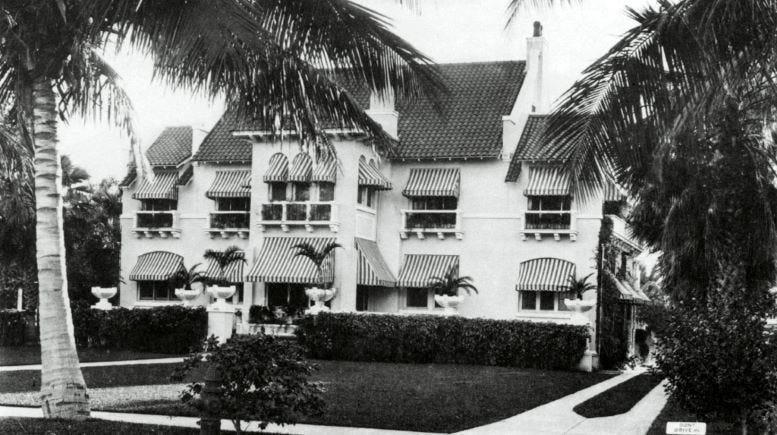
On March 13, 1916, the president of Father John's Medicine Company, Aubert Fay, purchased 1402 South Bay Shore Drive in the Point View subdivision of Brickell for $22,500 from Locke Highleyman. The home later became the Commodore Rowing & Sailing Club in 1971.
OTD: March 13, 2000 - Miami Dolphin’s Legend Dan Marino Retires
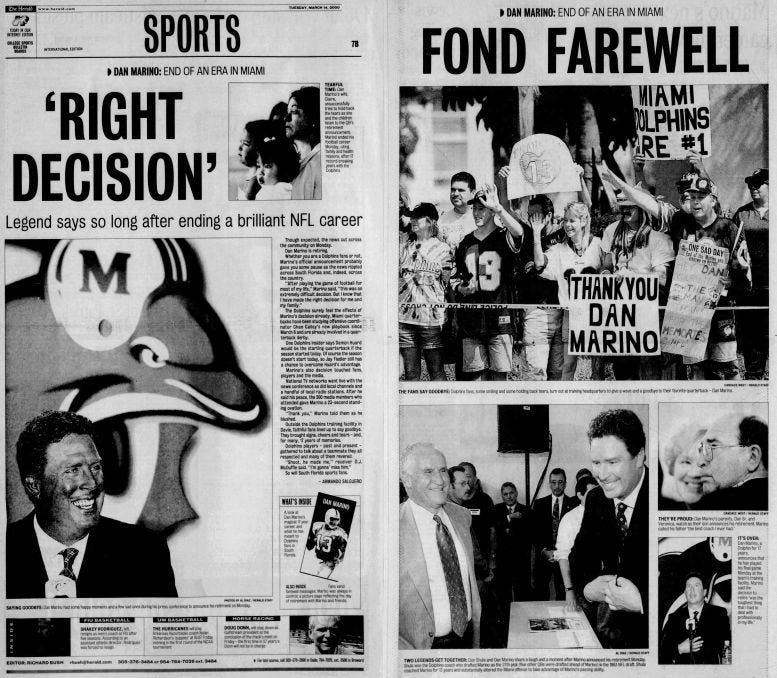
On March 13, 2000, Miami Dolphin’s legend and future Hall of Fame quarterback hosts a press conference to announce his retirement. He was a steal in the quarterback rich 1983 NFL draft and provided Dolphin’s fans excitement for 17 seasons. While there will never be another Dan Marino, the Dolphins are still seeking their next franchise quarterback since Marino’s retirement on this day in 2000.
OTD: March 14, 1920 - Miami Beach Congregational Community Church Held First Service in New Chapel
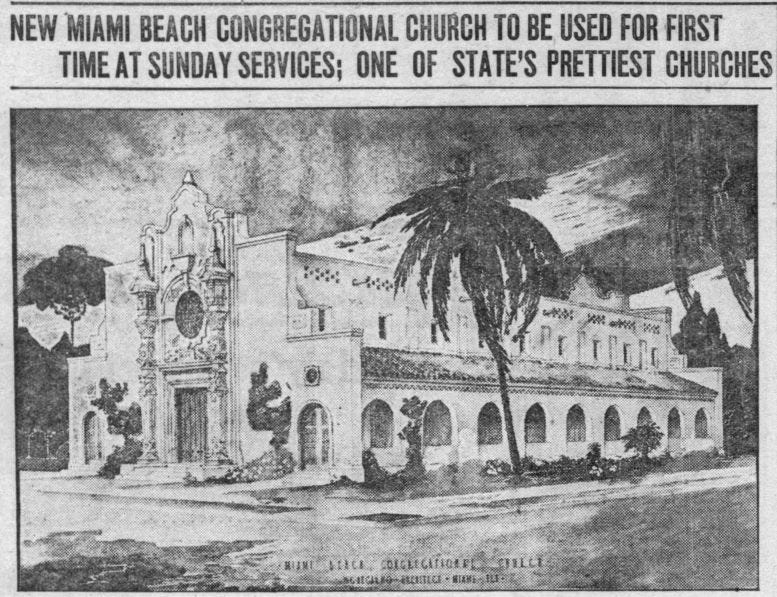
On March 14, 1920, the Miami Beach Congregational Community Church began holding Sunday religious services in a nearly completed chapel at Lincoln Road and Drexel Avenue. The church was designed by Walter DeGarmo and was completed a few weeks after regular church service began. The chapel still stands today at that location.
OTD: March 14, 1938 - Dunbar Branch of Dade County Library Opens
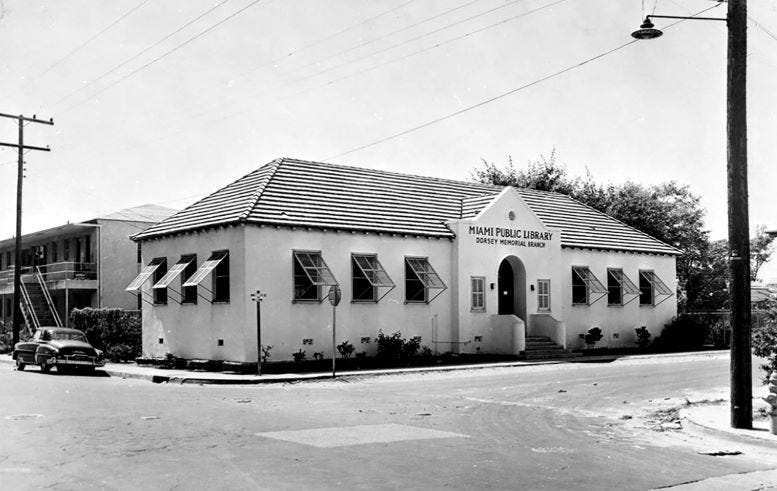
On March 14, 1938, the Dunbar Branch of the Dade County public library system opened in an abandoned store on the property of the founder of the Friendship Garden & Civic Club, Annie Coleman, at 2059 NW Sixth Court in Overtown. This branch later moved into a building constructed on land donated by Dana A. Dorsey. The library was named the Dorsey Memorial Library in honor of Dana’s generosity and contributions to the Overtown community.
Brickell Avenue Neighborhood Book
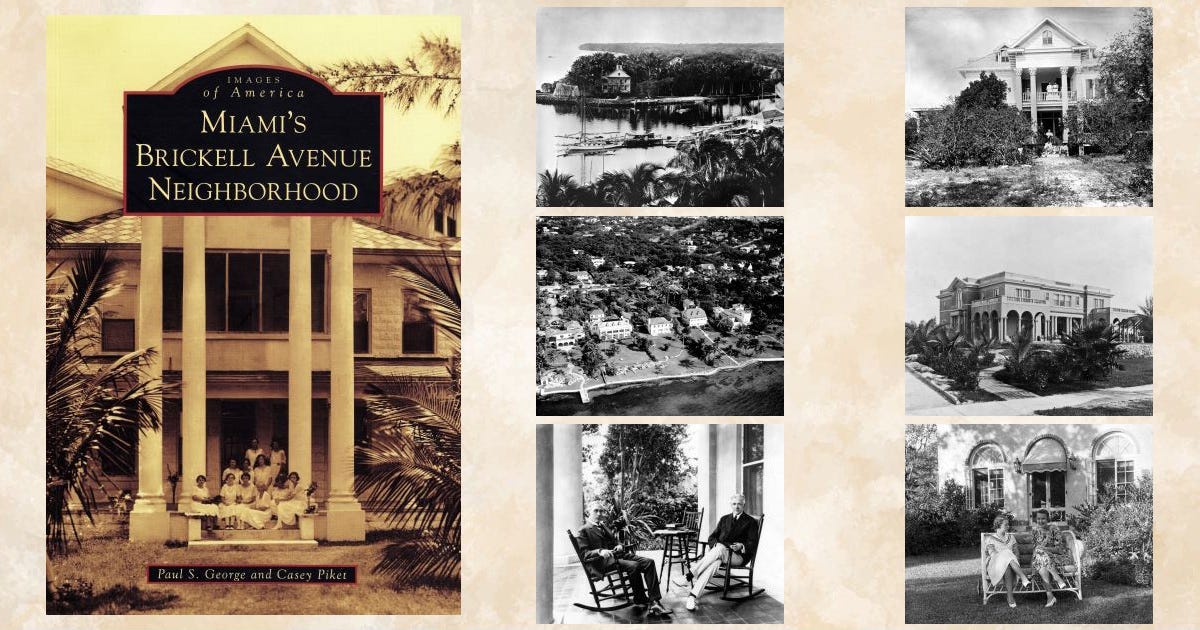
Get your signed copy of the Brickell Avenue Neighborhood Book by ordering online on the Miami History Blog website. The book shares a pictorial history of the Brickell neighborhood from 1870 through the 1980s. Read more about the contents of this book and purchase your copy by clicking on the button below. Scroll to the bottom of the page to purchase your signed copy online.